Sahara Desert Tours in Morocco A to Z: Read Before You Go

The Sahara Desert is the highlight of most Morocco trips. Riding a camel across golden sand dunes, sleeping under the stars in a desert camp, and watching the sunrise over endless desert landscape - these are the moments travelers dream about. This is part of the vast Sahara Desert, which stretches across much of North Africa.
But planning a desert tour can feel overwhelming. How many days should you spend there? What will it cost? What should you pack? Is it safe? This guide answers all the questions people ask about Sahara desert tours in Morocco.
Why the Sahara Desert Matters to Your Morocco Trip
The Sahara isn’t just another activity. It’s a completely different world from the busy medinas and coastal towns. You get to experience authentic Moroccan culture, meet Berber communities, and see landscapes that look like another planet.
Most travelers say the desert was the best part of their trip. It’s worth planning properly so you have an amazing experience.
As a Moroccan, I have talked with plenty of guides who run this route weekly, and the most common complaint they hear is not about the desert itself, it is people underestimating how long the drive there actually takes.
How Long Should You Spend in the Desert?
This is the first question most people ask.
The short answer: 2 to 3 days is perfect for most travelers.
Here’s the breakdown:
1-Day Desert Tours
These are quick trips from Marrakech or Fes. You drive out, spend a few hours in the desert, and drive back. You don’t sleep overnight. These work if you have very limited time, but you miss the real desert experience.
2-Day Desert Tours
This is the most popular option. You get one night in a desert camp. You have time to ride a camel, watch the sunset, sleep under the stars, and watch the sunrise. Then you drive back. It feels rushed but gives you the essential desert experience.
3-Day Desert Tours
This is the sweet spot. You get two nights in the desert. You have more time to relax, explore, and really feel the desert. You’re not constantly traveling. Most experienced travelers recommend this length.
4+ Days
Some people book longer stays. Honestly, after 3 days most camps are pretty quiet. There’s not much to do except eat, sleep, and relax. Unless you want a very slow pace, 3 days is enough.
Best Time to Visit the Sahara
Timing matters a lot for desert comfort.
- October to April: This is the best time. Temperatures are pleasant - around 70-80°F during the day and cool at night. You’ll be comfortable in a tent. This is peak season, so camps are busier and prices are higher.
- May to September: It gets very hot. Daytime temperatures can reach 100°F or higher. Tents become ovens. Many camps have limited food and no refrigeration. If you go during this time, expect heat and fewer other tourists. Prices are lower, but comfort suffers.
How Much Does a Desert Tour Cost?
Budget is a big concern for travelers.
- Budget Tours: $80-150 per person per day These are basic camps with simple tents and shared bathrooms. Food is simple but good. You share the experience with other tourists. These tours are popular with backpackers.
- Mid-Range Tours: $150-300 per person per day These camps have better tents, private bathrooms, and nicer meals. You get more comfort and a better experience. Most travelers choose this level.
- Luxury Tours: $300+ per person per day These are high-end camps with comfortable accommodations, excellent food, and personalized service. You get a premium experience.
What’s Included in the Price?
Most tours include transportation from your starting city, meals, a camel ride, and accommodation in the camp. Some include activities like a sunset walk or a visit to a Berber village. Check what’s included before you book.
Where Do You Start Your Desert Tour?
You can start from different cities. Each has pros and cons.
- From Marrakech This is the most popular starting point. It’s a 4-5 hour drive to the desert. Many tours go from Marrakech to Fes (or vice versa), passing through the desert. This is a good option if you want to see multiple cities.
- From Fes Fes is closer to the desert - about 4 hours away. Tours from Fes tend to be less crowded than from Marrakech. If you’re in Fes, this is a good choice.
- From Casablanca Casablanca is farther from the desert - about 8-10 hours. Most people don’t start here because of the long drive. But if you’re flying into Casablanca, you can do it.
What to Expect at a Desert Camp
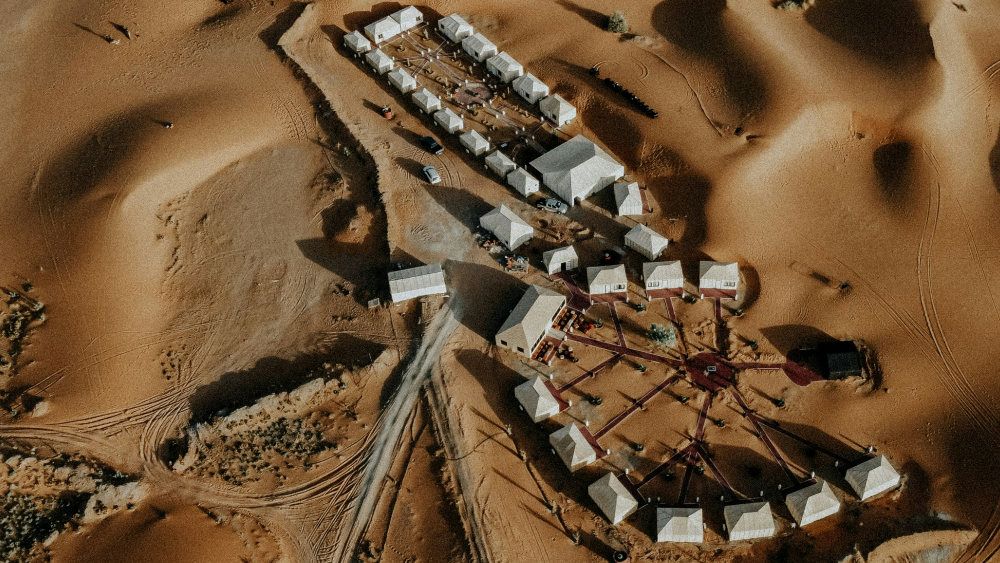
Understanding what desert camps are really like helps you prepare mentally.
- The Tents You sleep in a Berber-style tent. It’s not a camping tent - it’s more like a traditional tent with a bed inside. It’s clean and comfortable. The tent keeps you warm at night (it gets cold in the desert). You’ll have a blanket or sleeping bag.
- The Bathrooms Budget camps have shared bathrooms with squat toilets. Mid-range and luxury camps have private bathrooms with Western toilets and hot water. Bring wet wipes and hand sanitizer just in case.
- The Food Meals are simple but tasty. Breakfast is usually bread, cheese, and tea. Lunch might be tagine (a slow-cooked stew) with bread. Dinner is similar. The food is safe and good. If you have dietary restrictions, tell the tour company in advance.
- The Activities You’ll ride a camel in the afternoon. The ride lasts 1-2 hours. It’s bumpy and your legs might hurt, but it’s fun. You’ll watch the sunset from the desert. In the evening, there might be a campfire with music. In the morning, you can watch the sunrise. Some camps offer a walk to see the dunes up close.
- The Other Tourists You’ll meet people from all over the world. Most camps have 10-30 people. You eat together and share the experience. It’s a good way to make friends.
What to Pack for the Desert
Local Tip: Most desert camps run on generators or solar power and only offer charging for a limited window, usually in the evening. Charge your phone and camera fully before you leave the last big city, and bring a power bank if you are planning to take a lot of sunrise photos.
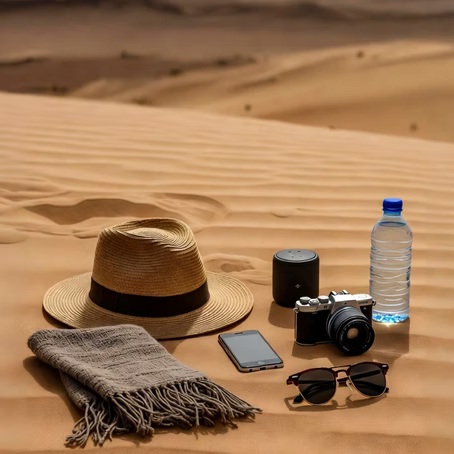
Packing right makes a huge difference in your comfort.
- Clothing Bring light, loose clothing for the day. The sun is strong. Bring a warm jacket or sweater for the evening - it gets cold at night. Bring comfortable walking shoes and sandals. Bring a hat and sunglasses.
- Sun Protection Bring high SPF sunscreen. The sun reflects off the sand and burns you fast. Bring lip balm with SPF. Bring sunglasses to protect your eyes.
- Personal Items Bring a headlamp or flashlight. Camps don’t have much lighting at night. Bring toilet paper and wet wipes. Bring any medications you need. Bring a small towel.
Optional but Helpful Bring earplugs if you’re a light sleeper. Bring a scarf or sarong - it’s useful for sun protection and as a blanket. Bring a camera to capture the sunset and sunrise.
Read more about what to pack for the Sahara in this blog post.
What NOT to Bring Don’t bring heavy luggage. You’ll need to carry it to your tent. Leave most of your stuff in your hotel in the city. Bring only a small backpack for the desert.
Common Mistakes People Make
Learning from others’ mistakes helps you avoid them.
- Booking Too Last Minute Desert camps fill up, especially in peak season. Book at least a week in advance. Two weeks is better.
- Choosing the Cheapest Option The cheapest tours sometimes cut corners on food, transportation, or camp quality. Mid-range tours offer much better value.
- Going in Summer Many people book summer tours without realizing how hot it gets. If you must go in summer, choose a camp with good shade and air conditioning in common areas.
- Not Telling the Tour Company About Dietary Needs If you’re vegetarian, vegan, or have allergies, tell them when you book. They need time to prepare.
- Expecting Too Much Activity The desert is about relaxation and experiencing nature. If you expect constant activities, you’ll be disappointed. Embrace the slowness.
- Overpacking Bringing too much stuff makes the experience harder. Pack light.
How to Book a Sahara Desert Tour
You have several options.
- Book Through Your Hotel Most hotels in Marrakech and Fes can arrange desert tours. This is convenient but sometimes more expensive.
- Book Online Websites like Viator, GetYourGuide, and Airbnb Experiences offer desert tours. You can read reviews and compare prices. This is a good option, and it’s what I personally recommend.
- Book Directly with Tour Companies Some tour companies have their own websites. You can book directly and sometimes get better prices. Research the company first.
- Book with a Local Guide If you meet a local guide in the city, they can arrange tours. Be careful - some guides are better than others. Ask for references.
Tips for a Great Desert Experience
These tips come from travelers who’ve done it.
- Go with an Open Mind The desert is different from what you expect. Embrace it. Don’t compare it to other deserts you’ve seen.
- Talk to Other Tourists You’ll meet interesting people. Share stories and tips. Some of your best travel memories come from these conversations.
- Wake Up for the Sunrise It’s early and you’re tired, but the sunrise is magical. Set your alarm and get up.
- Bring Cash Some camps don’t take cards. Bring Moroccan dirhams for tips and extras.
- Respect the Culture You’re visiting Berber communities. Be respectful. Ask before taking photos. Dress modestly.
- Don’t Worry About Comfort You won’t have luxury, but you’ll be fine. Millions of people have done this. You will too.
Is the Desert Safe?
Yes, the desert is safe for tourists. Thousands of people visit every year without problems.
The tour companies are experienced. They know the desert well. They follow safe routes. The camps are secure.
Use common sense like you would anywhere. Don’t wander off alone at night. Keep your valuables secure. Be aware of your surroundings.
Women traveling alone or in groups should feel safe. Many women do desert tours without issues. If you have concerns, book with a reputable company and tell them you want a female guide if possible.
You Might Also Ask
A Sahara Desert tour is one of the best experiences you can have in Morocco. It’s different, memorable, and not as complicated as it seems.
The key is to book with a reputable company, choose the right time to visit, pack smart, and go with realistic expectations. You won’t have luxury, but you’ll have an adventure you’ll remember forever.
If the Sahara is on your list for this trip, it is worth booking early, especially in peak season.
Related Guides
- 5-Day Desert Tour Itinerary: From Marrakech to Zagora & Merzouga
- 6 Days and 10 Stops!: A tour Across Morocco to See Everything
- Erg Chebbi vs Erg Chigaga: Which Is Better

