Morocco Travel Requirements [Updated 2026]: First-Time Visitors Guide

Morocco travel requirements are simple: a valid passport, visa if needed based on your nationality, return ticket, and proof of accommodation. Most travelers can stay up to 90 days visa-free. For more official travel inspiration, check out the Moroccan National Tourist Office.
Visiting Morocco for the first time can feel exciting and confusing at the same time. Many people don’t know where to start; should you book flights first, pick cities, or plan tours? This guide walks you through each step, including the main Morocco travel requirements in 2026, from your first idea to booking your trip. You’ll get clear, practical advice to help you plan with confidence.
We cover every important step so nothing catches you by surprise. You’ll learn how to check visa rules, understand Morocco travel requirements, pick travel dates, set your budget, and plan your days. By the end, you’ll feel ready to visit Morocco as a first-time traveler.
As a Moroccan, I’ve seen first-time visitors stress over details that turn out to be simple once they’re actually here, while skipping over a few small things that genuinely matter. This guide is built around what actually trips people up.
Step 1: Learn About Morocco
Start by reading basic facts about the country. This helps you know what to expect. Learn about the culture, weather, food, and safety. It stops surprises later. The best way to do this is by simply searching and reading Morocco content online on travel websites like LonelyPlanet.com For the latest official guidance, see the UK government’s travel advice for Morocco.
To get a much closer view on true life in Morocco, you can visit travel forums like TripAdvisor.com where you can read about other visitors experiences, and get answers to your own questions. Facebook and Reddit are also great if you have question for locals or other travelers who have visited Morocco before.
What to Do:
- Read about the main cities like Marrakech, Fes, and Casablanca. Know that Morocco mixes Arab, Berber, and French ways.
- Check the best time to visit. Go in spring (March to May) or fall (September to November). Summers are hot, and winters can be rainy. This blog post explains everything about this matter.
- Learn simple customs: Dress to cover shoulders and knees in public. Say “thank you” as “shukran.” Try local food like tagine or couscous, but watch for spicy dishes.
- Look at safety tips. Most places are safe, but watch for pickpockets in crowds. Women travelers should travel in groups at night. Morocco is safe but petty crimes could happen, like in any country in the world.
Why Knowledge About Morocco Matters:
You will feel more ready. It helps you pick dates and places that fit you. Plus, it prepares you with some basic knowledge so you can avoid confusion and enjoy your trip more. Spend 1-2 weeks on this step if you need. Make yourself some coffee and enjoy learning about this vibrant country. Don’t forget to take notes.
Step 2: Check Visa and Entry Rules
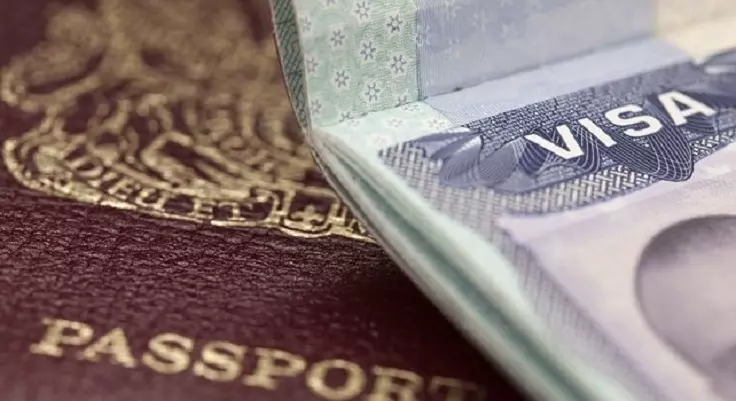
If you are from the United States, you can enter Morocco without a visa for up to 90 days for tourism. Your passport must be valid for at least six months from your date of entry, and you may be asked to show a return ticket and proof of accommodation. If you plan to stay longer than 90 days, you need to request an extension from the local police office in Morocco before your visa-free period ends.
If you are from Europe, most countries in the European Union, as well as the UK, Norway, and Switzerland, also benefit from 90 days visa-free for tourism. The same general rules apply: a valid passport, return ticket, and proof of where you will stay. Always double-check with your local Moroccan consulate, especially if you hold a residence permit instead of a passport from your country of residence.
For the rest of the world, visa rules depend on your nationality. Some countries also receive 90 days visa-free, while others must apply for a tourist visa before traveling. In some cases, travelers may need additional documents such as a hotel booking, bank statement, or invitation letter. The safest step is to check with the nearest Moroccan embassy or consulate in your country before booking your flight.
Visa policies can change, so it is always better to confirm the latest information from official sources before you travel.
Local Tip: The Moroccan dirham is a closed currency, so you cannot buy it before you arrive and you cannot take much of it home with you either. Withdraw cash from an ATM after you land, or exchange a small amount at the airport just for your first taxi and incidentals.
What to Do:
- Go to your government’s travel site. Search “Morocco visa for [your country].”
- If you need a visa, apply online or at the embassy. Have a passport valid for 6 months after your trip.
- Get an eSIM for your phone if you want data right away.
Why Visa Rules Matters:
Checking visa rules for Morocco matters because requirements vary by nationality and can change at any time. Knowing the rules in advance helps you avoid being denied entry, ensures your passport and documents are valid, and lets you plan how long you can stay and what steps to take if you need a visa. You can’t enter without the right papers. It saves time at the airport.
Best Service Providers:
- For visa checks and applications: Use iVisa.com. They help with forms.
- For passport photos or document scans: Print at home or use local services.
- For phone data: Get an eSIM from Airalo, Saily, or Yesim. Read this post comparing them.
Do this 1 month before travel. Print copies of everything.
Step 3: Decide Your Travel Dates and Trip Length
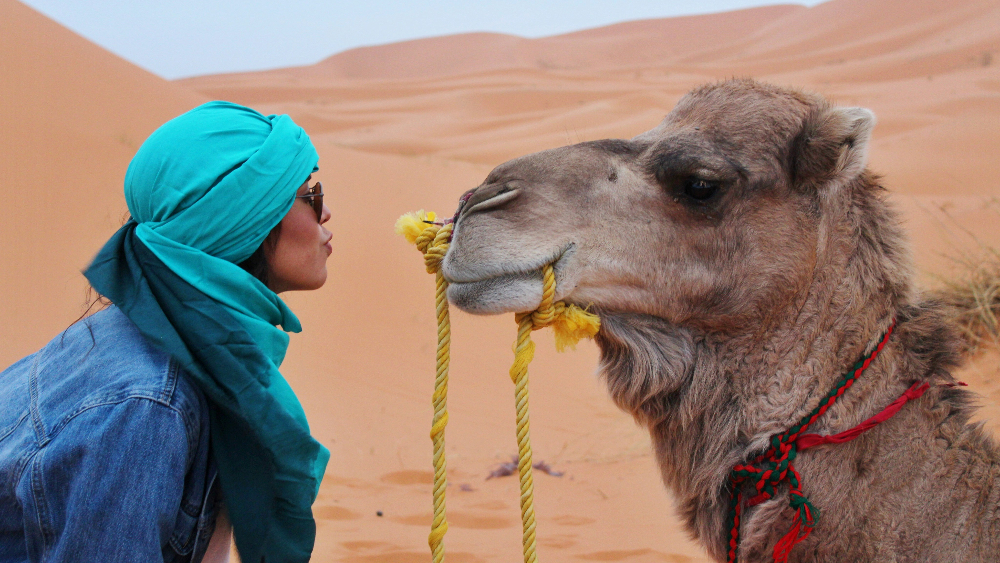
Now pick when to travel and how long to stay. This should fit your work schedule and your budget.
First, think about the season. Spring (March to May) and autumn (September to November) are usually the most comfortable months in Morocco. The weather is mild in cities like Marrakech and Fes, and it is not too hot in the desert. Summer can be very hot, especially in inland areas, while winter is cooler and sometimes rainy in the north but still sunny in many parts of the country.
Next, decide how many days you can realistically take off. If you only have 5 to 7 days, focus on one or two cities and maybe a short day trip. If you have 10 to 14 days, you can combine cities, mountains, and even a desert tour near Merzouga. Trying to see too much in a short time can make the trip tiring and more expensive.
Your budget also matters. High season (spring and autumn) usually means higher flight and hotel prices. Traveling in low season can save money, but you need to accept hotter or cooler weather. Longer stays may reduce your daily cost because you move less and can choose better transport options.
Take a few minutes to compare flight prices in different months and check hotel rates before you decide. When your travel dates and length match your work and your budget, you can book with more confidence.
What to Do:
- Look at your calendar. Aim for 7-14 days for a first trip.
- Avoid holidays like Ramadan (dates change yearly) if you want normal shop hours and avoid the Eid al-Adha holiday period, when many shops and restaurants close.
- Check flight prices on a calendar tool. Cheaper in off-season.
- Note jet lag if flying from far away, like the US or Europe.
Why Time Matters:
Picking the right dates and trip length matters because it affects your comfort, budget, and what you can see. Traveling in the best season helps you avoid extreme heat or rain, and choosing the right number of days ensures you have enough time to enjoy cities, mountains, or the desert without rushing. It also helps plan flights, accommodation, and activities within your budget.
Best Service Providers:
- For date ideas and price checks: Use Google Flights calendar.
- For bookings later: Kiwi.com (great for multi-city trips) Expedia.com or use our booking platform to find cheap flights in seconds.
- For weather apps: Download AccuWeather for free, or simply check out weather in Morocco on google.
Pick dates now. Write them down.
Step 4: Plan Your Itinerary
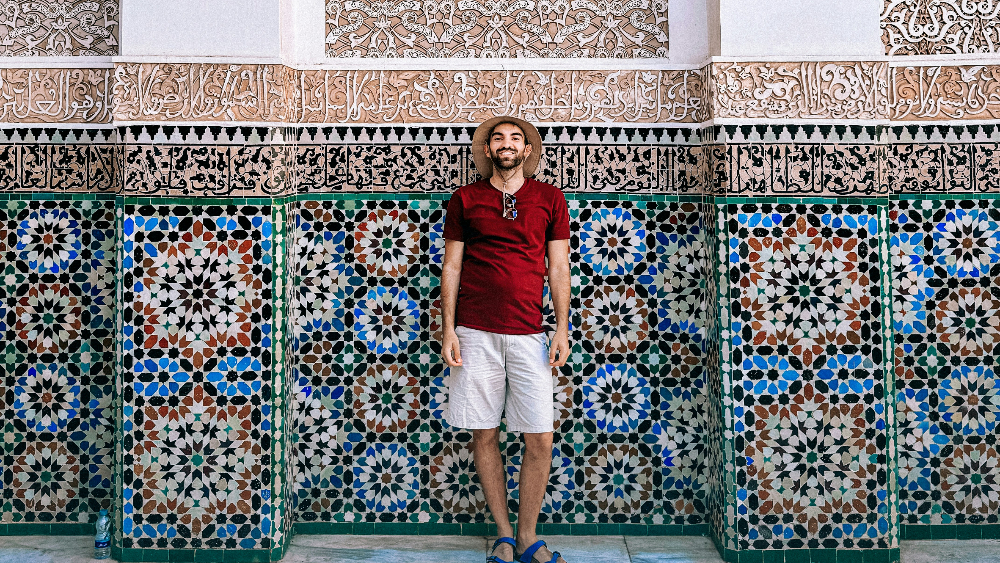
Make a rough list of places to see. Don’t book yet, just plan. Start by thinking about how many days you have and what kind of trip you want. Morocco has old cities, mountains, desert areas, and beaches. You can’t see everything in one trip, so it’s better to choose a few regions and move at a relaxed pace.
Many travelers begin with cities like Marrakech, Fes, or Rabat. These places are known for their medinas, markets, and historic buildings. If you like culture and local life, you can choose one or two of these cities and spend a few days in each.
If you want nature, you can add the Atlas Mountains or the Sahara Desert near Merzouga. The mountains are good for short hikes and fresh air. The desert is better if you want a special experience like a camel ride and one night in a desert camp. Keep in mind that reaching the desert takes time, so you should plan at least two or three days for it.
For a relaxed trip, you can include the coast. Essaouira is small and easy to walk, with ocean views and fresh seafood. Agadir is more modern and known for its long beach. These places are good if you want slower days after visiting busy cities.
At this stage, just write down what interests you. Check the distance between cities on a map. See how long buses or trains take. Once you understand the travel times, you can decide what makes sense for your schedule. Planning first helps you avoid rushing later.
What to Do:
- Choose 2-4 spots. Start in Marrakech for markets. Add Fes for history or Sahara for desert.
- Map travel between them. Trains work for cities; buses or tours for desert. learn how to travel between cities in Morocco here.
- List must-dos: Walk medinas, visit mosques, try hammam baths.
- Add rest days. Morocco can be tiring with heat and walking.
Why Planning Matters:
Planning your itinerary matters because it helps you use your time and money wisely. By deciding which cities, mountains, or desert areas to visit in advance, you avoid rushing, reduce travel stress, and make sure you see the places that interest you most. It also helps with booking transport, accommodation, and tours efficiently.
Best Service Providers:
- For route ideas: Use Rome2Rio.com for transport maps.
- For tours later: Book desert trips on GetYourGuide or Viator.
Use a notebook or Google Docs. Keep it simple: Day 1-3 Marrakech, day 3-6 Merzouga, etc. You can also write down activities to try in each place.
Step 5: Set Your Budget
Start with flights. Prices depend on your country and the season. Tickets are usually more expensive in spring and autumn. If you are flexible with your dates, you can sometimes find better prices. Book early if you are traveling in high season.
Next, calculate your accommodation. Morocco has different options, from budget hostels to mid-range riads and luxury hotels. In cities like Marrakech and Fes, prices change depending on location and season. Staying inside the medina is convenient but can cost more. If you stay longer in one place, you may reduce your daily cost.
Then think about daily expenses. Food in Morocco can be affordable if you eat in local restaurants. A simple meal is cheap, while tourist restaurants charge more. You should also include transport inside the country, such as trains between major cities, buses, taxis, or a desert tour near Merzouga if you plan to go there.
Finally, add extra costs. This can include entrance tickets, guides, tips, shopping, travel insurance, and airport transfers. It is smart to keep a small emergency budget in case prices are higher than expected.
When you add everything together, you will have a clear idea of the total cost. This helps you decide if you need to adjust your travel dates, shorten your stay, or change your accommodation type before booking.
This blog post covers everything about how much money you need for a Morocco trip.
What to Do:
- List costs: Flights $500-1000 round-trip from Europe. Hotels $50-150/night. Food $20/day. Transport $100 total.
- Add 20% extra for surprises like tips or fees.
- Track in a spreadsheet: One for daily spend, one for total.
- Decide payment: Use cards, but carry cash (Moroccan dirhams).
Why Budgeting Matters:
Setting a budget matters because it helps you know how much money you need for flights, accommodation, food, transport, and extras. It prevents overspending, allows you to choose the right type of trip, and helps you make decisions about where to stay, how long to travel, and what activities you can afford.
Best Service Providers:
- For budget tools: Use Trail Wallet app for tracking.
- For money exchange rates: Check XE.com. For cards: Wise for low-fee transfers.
- For cheap options later: Book Riads or hotels on Booking.com and Find cheap Flights here.
Aim for $900-3000 total for 10 days, not including flight.
Step 6: Get Travel Insurance
Protect yourself from problems like lost bags, flight issues, or illness with the right travel insurance. Having insurance gives you peace of mind and can save you money if something goes wrong. Here are some options you can consider:
VisitorsCoverage – This is a popular choice for travelers to Morocco. It covers medical emergencies, trip cancellations, lost luggage, and other unexpected events. You choose a plan based on your trip length and coverage needs. It’s good if you want a traditional travel insurance package with strong medical support.
Ekta – Ekta offers flexible travel insurance that you can buy quickly online. They cover medical emergencies, flight delays, and lost baggage. One advantage is that you can manage claims and policies directly through their app, which is convenient if you are traveling.
Klook Insurance – Klook provides travel insurance mainly for short-term trips. It includes coverage for medical emergencies, flight delays, and lost baggage. It’s useful if you’re booking tours, transport, or experiences through Klook, because the insurance integrates easily with your bookings.
Insuby – Insuby is another online insurance provider that focuses on straightforward coverage. It covers medical emergencies, lost luggage, and cancellations. You can submit claims online without complicated paperwork, making it easy if you encounter any problems abroad.
Compensair – Compensair is different from standard travel insurance. It doesn’t work through subscriptions but helps you claim compensation for flight delays, cancellations, or missed connections. You submit a form with your flight details, and Compensair handles the claim. It’s a good backup if your flight has problems, even if you already have regular travel insurance.
Choosing the right insurance depends on your needs. If you want full coverage for health, bags, and cancellations, go with VisitorsCoverage, Ekta, or Klook. If you want a simple online option, Insuby works well. For flight-specific compensation, Compensair is the one to use. Always read the coverage details carefully so you know what is included.
What to Do:
- Buy a plan that covers medical, trip cancel, and theft. Look for $100,000 medical limit.
- Read the fine print for adventure activities like camel rides.
- Buy before you book anything else.
Why Insurance Matters:
Health care in Morocco is okay but costly for foreigners. It gives peace of mind. Travel insurance matters because it protects you from unexpected problems like illness, lost luggage, or flight delays. It can save you money and stress if something goes wrong, giving you peace of mind while traveling.
Best Insurance Providers:
- For insurance: Use Insubuy, VisitorsCoverage, Ekta or Klook insurance. They cover adventure travel, and some of them also cover lost baggage insurance and more.
- For cancelled flights or delays compensations use Compensair or AirHelp. Here’s the difference between them in this post Compensair vs Airhelp.
These cost between $50-100 for a week or even less. You can get quotes online from them easily.
Step 7: Prepare Your Packing List and Health Check
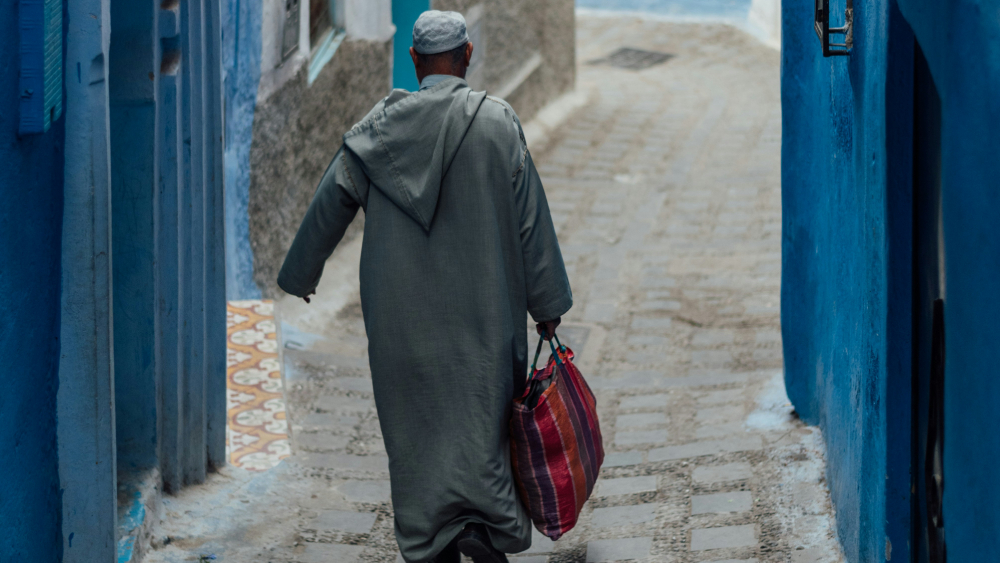
Think about what to pack and your health before you travel. Morocco’s weather and activities can be very different depending on where you go and the season.
For clothing, bring light and breathable clothes for the day, especially in cities like Marrakech or Agadir during spring and summer. Evenings can be cooler, so pack a sweater or light jacket. If you plan to visit the desert near Merzouga, temperatures drop at night, so warm clothing is important. Comfortable walking shoes are essential for exploring medinas and mountains.
For health, make sure you have any prescription medicines you need and carry a small first-aid kit. Drink bottled water if you are unsure about tap water, and wash fruits before eating. Sun protection like sunscreen, sunglasses, and a hat is important in sunny areas. If you have allergies or medical conditions, carry any necessary documents and your insurance information.
Packing smart and thinking about your health will help you enjoy your trip without unnecessary stress.
What to Do:
- List basics: Light clothes, hat, sunscreen, comfy shoes. Modest layers for evenings.
- Download apps: A good translate app and Maps.me for offline use.
- Tell your bank about travel to avoid card blocks.
Why A Packing List Matters:
Preparing your packing list and checking your health matters because it ensures you have the right clothes, shoes, and supplies for Morocco’s weather and activities. It also helps you stay safe and healthy by remembering medicines, sun protection, and travel essentials, so your trip is comfortable and stress-free especially for Sahara trips. Learn what to pack for Sahara trips.
Best Service Providers:
- For health info: CDC travel site (free).
- For packing apps: PackPoint. (PackPoint will organize what you need to pack based on length of travel, weather at your destination and any activities planned during your trip.)
- For vaccinations: Local clinics in your hometown.
Morocco Travel Requirementsone Checklist
If you don’t want to read everything again, use this quick checklist. It helps you track what you have done and what is left before your trip to Morocco.
| Step | What to Do | When to Do It | Done |
|---|---|---|---|
| Learn about Morocco | Read about cities, culture, safety | 1–2 months before | ☐ |
| Check visa rules | Confirm entry requirements | 1–2 months before | ☐ |
| Choose dates | Pick travel time and length | 1–2 months before | ☐ |
| Plan itinerary | Select cities and activities | 3–4 weeks before | ☐ |
| Set budget | Estimate total cost | 3–4 weeks before | ☐ |
| Get insurance | Buy travel insurance | 2–3 weeks before | ☐ |
| Prepare packing | Pack clothes and essentials | 1 week before | ☐ |
| Book flight | Final step after planning | 3–6 weeks before | ☐ |
Estimated Morocco Trip Cost Breakdown
Here is a simple idea of what you might spend on a 7–10 day trip to Morocco. Prices change depending on your style and season.
| Category | Budget Travel | Mid-Range Travel | Notes |
|---|---|---|---|
| Flights | $400–$800 | $600–$1200 | Depends on country |
| Hotels | $20–$50/night | $60–$150/night | Riads cost more |
| Food | $10–$20/day | $20–$50/day | Local food is cheaper |
| Transport | $50–$150 | $100–$300 | Trains, taxis, tours |
| Activities | $50–$150 | $100–$300 | Desert trips cost more |
| Total (10 days) | $700–$1500 | $1200–$3000 | Excluding flights |
You Feel Ready? Book Your Flight!
After these steps, you are set. Now search for flights. Use sites like Aviasales or Expedia for good deals. Fly into Marrakech or Casablanca. You can of course use our platform to find cheaper flights in seconds.
This plan takes 1-2 months so you may want to start early. if you’re already familiar with Morocco, it will only take you few weeks to be ready. Have a safe travel, and If you have questions, leave a comment below. I’ll be happy to help.
Related Guides
- Hidden Gems in Morocco Most Tourists Miss
- Explore Moroccan Culture by Regions
- How Much Money Do You Really Need for A Morocco Trip