The Worst Time to Visit Morocco Explained

Morocco is a good travel destination all year round. Many people visit the country in different seasons and still enjoy their trip. Morocco offers cities, deserts, mountains, beaches, and cultural experiences that work in almost any month of the year. You can also check current practical travel information from Morocco’s tourist board for up-to-date details.
However, some times of the year can be more challenging than others. This depends on the traveler’s preferences, budget, comfort with crowds, weather tolerance, and interest in local traditions. What feels fine for one person may be uncomfortable for another.
In this post, we look at the main factors that can make certain periods less ideal for visiting Morocco. These include Eid al-Adha holidays, Ramadan, weather conditions, and budget-related issues. Understanding these points will help you decide if these times work for you or if you should plan your trip differently.
A lot of tourists ask me to just give them a simple answer, but honestly there isn’t one. What ruins one person’s trip is exactly what makes someone else’s trip more memorable.
Eid al-Adha Holidays: Worst Time to Visit Morocco
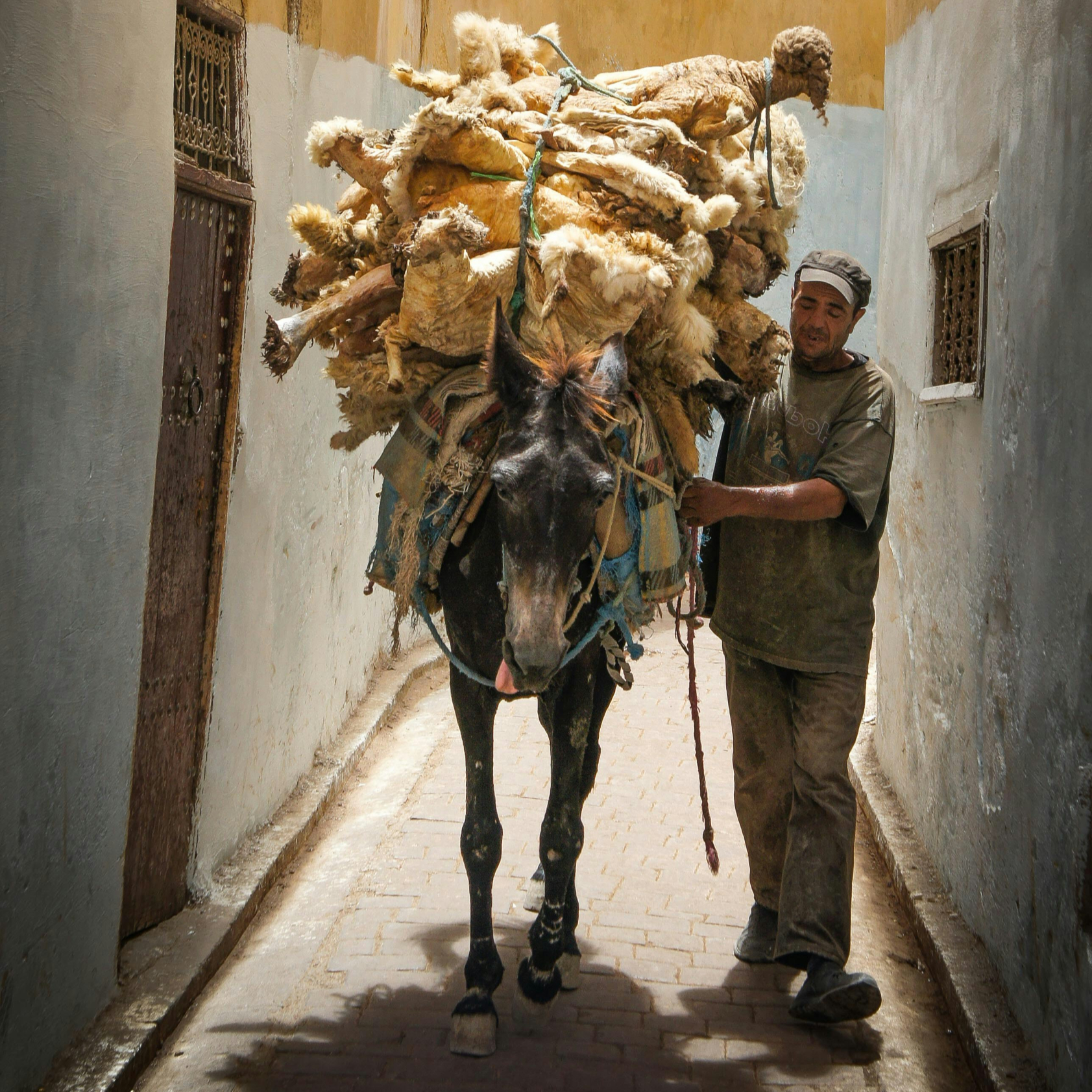
Eid al-Adha is one of the most important religious holidays in Morocco. It usually lasts several days, and families focus on religious activities, family gatherings, and home celebrations. During this time, daily life slows down across the country.
Many shops, restaurants, tour offices, and small businesses close or work with limited hours, especially on the first one or two days. Public transportation can also be limited, and some tourist services may stop completely. This can be frustrating for travelers who expect normal schedules.
If you visit Morocco during Eid al-Adha, planning becomes more difficult. Hotels may still operate, but finding open restaurants or booking tours can be a challenge. For travelers who want full access to services and activities, this holiday period may not be the best time to visit.
Local Tip: Eid al-Adha dates shift about 10 to 11 days earlier every year, just like Ramadan, since both follow the lunar calendar. Always check the exact dates for your travel year, since “late June” one year can become “early June” the next.
Traveling During Ramadan
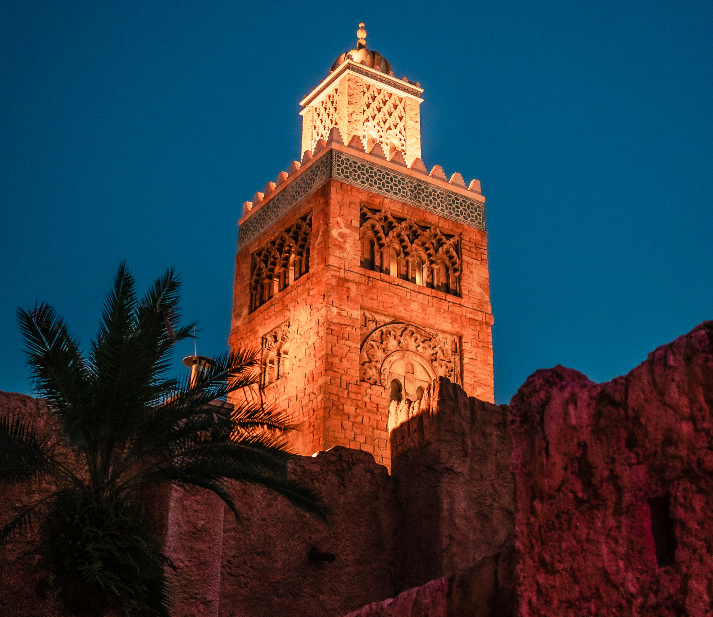
Ramadan is a holy month when Muslims fast from sunrise to sunset. In Morocco, this affects daily routines, working hours, and social life. The atmosphere is calm during the day and more active in the evening after sunset.
During daytime, many cafés and local restaurants are closed or operate discreetly, especially outside major tourist areas. Some people may feel tired or less energetic, and services can be slower than usual. This can affect sightseeing and day tours.
That said, Ramadan is not a bad time for everyone. Some travelers enjoy the cultural experience and peaceful daytime streets. However, for visitors who want active days, easy dining options, and flexible schedules, Ramadan may feel limiting.
Weather Extremes in Morocco
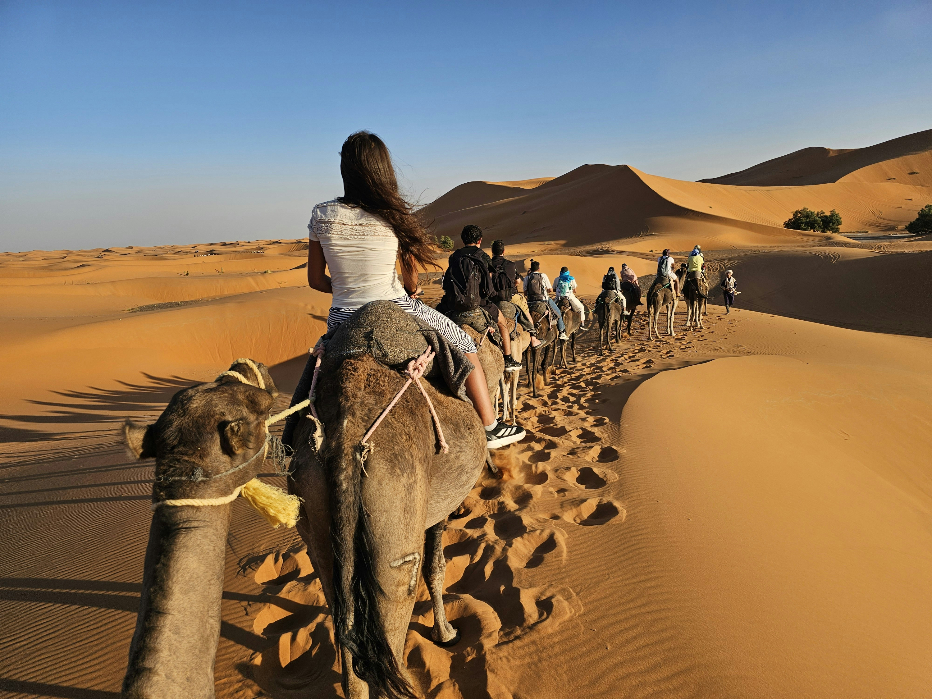
Weather is another important factor when choosing the best time to visit Morocco. Summer months, especially July and August, can be extremely hot in cities like Marrakech, Fes, and desert areas. Temperatures often exceed comfortable levels for walking and sightseeing.
High heat can limit outdoor activities and make long tours uncomfortable, especially for travelers not used to hot climates. Desert tours during peak summer can be particularly challenging and are sometimes not recommended.
Winter can also be difficult in some regions. Mountain areas like the Atlas Mountains can be cold and snowy, while some riads and homes lack heating. For travelers sensitive to extreme heat or cold, these periods may not be ideal.
Budget and High-Season Costs

Budget travelers may find certain times of the year less suitable due to higher prices. Peak tourist seasons, such as spring and summer, often come with higher hotel rates, tour prices, and flight costs.
During school holidays and popular travel months, accommodations can sell out quickly. This reduces options and pushes prices up, especially in popular cities like Marrakech and Chefchaouen.
If you are traveling on a tight budget, visiting Morocco during peak times can be challenging. You may need to book far in advance or compromise on location and comfort. For many travelers, this makes high season less attractive.
Is There Really a Bad Time to Visit Morocco?
There is no single worst time to visit Morocco for everyone. The best or worst time depends on your travel style, budget, and expectations. Religious holidays, Ramadan, extreme weather, and high prices can all affect your experience in different ways.
If you value full services, mild weather, and flexible schedules, you may want to avoid certain periods. If cultural experiences matter more to you, some of these times may still work well.
The key is planning. By understanding these factors, you can choose a time that matches your needs and enjoy Morocco in a way that feels comfortable and rewarding for you.
Related Guides
- Top Spring Locations in Morocco: What to See & Do
- Visiting Morocco During Ramadan: What to Expect
- Morocco in the Spring: 5 spots to Enjoy weather and culture