
Explore Moroccan Culture by Regions
- Waleed
- Apr 4
- 9 min read
Updated: Apr 6
Morocco is not one place. It is many places with different people, languages, and ways of life. Each region has its own culture. The north is different from the south. The mountains are different from the coast.

If you want to explore Moroccan culture, you need to understand these differences. This article explains Moroccan culture by regions. It tells you what makes each area special and what to do in Morocco depending on where you go.
The Imperial Cities: Fes, Marrakech, Meknes, and Rabat

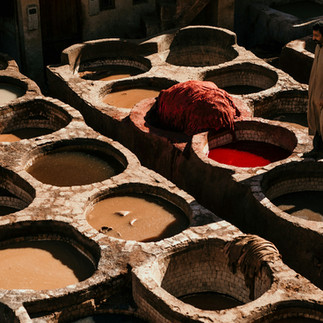


The four imperial cities are the best places to start if you want to explore Moroccan culture. Each one was a capital of Morocco at some point in history.
Fes: Fes feels the most traditional. Life here focuses on religion, education, and craftsmanship. The medina is full of artisans working with leather, pottery, and textiles. People wear traditional clothes more often, and the atmosphere is calm and conservative. Food is refined, with dishes like pastilla and slow-cooked tagines.
Marrakech: Marrakech is busy and energetic. People enjoy markets, street food, and public spaces like Jemaa el-Fna. You will see a mix of locals and tourists everywhere. Clothing is both modern and traditional. Food is diverse, from street snacks to full traditional meals.
Meknes: Meknes is quieter and less crowded. Life here is more local and relaxed. People enjoy simple daily routines, cafés, and family time. Traditional clothing is common, and food is similar to other imperial cities but often simpler and less commercial.
Rabat: Rabat is modern and organized. As the capital, it has a mix of government life and culture. People dress more in modern styles, and the lifestyle is more structured. You will find museums, cultural spaces, and clean public areas. Food includes both traditional Moroccan dishes and international options.
Cultural Events in the Imperial Cities

Event | Where | Description | Time / Season |
Fes Festival of World Sacred Music | Fes | International festival with spiritual and world music performances | May–June |
Marrakech International Film Festival | Marrakech | Major film event with international actors and screenings | November–December |
Mawazine Festival | Rabat | One of the largest music festivals in Africa with global artists | June |
Meknes International Festival | Meknes | Cultural festival with music, folklore, and local traditions | Summer |
Salon du Cheval | El Jadida (near Rabat) | Event focused on horses, Moroccan equestrian culture, and shows | October |
Ramadan & Eid Celebrations | All cities | Religious and cultural events with food, family gatherings, and traditions | Based on Islamic calendar |
The North: Chefchaouen, Tangier, and Tetouan

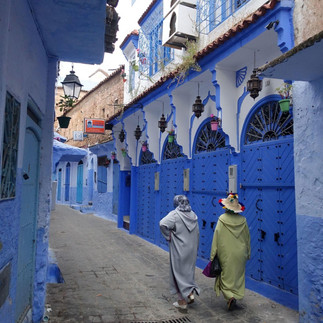


The north of Morocco has a mix of Moroccan and Andalusian culture, with a clear influence from Spain. Life here feels more relaxed compared to big cities like Marrakech. People enjoy simple daily activities like walking in the medina, sitting in cafés, and spending time near the sea.
Social Life in The North
In cities like Chefchaouen, Tangier, and Tetouan, people often enjoy social life in public spaces. Cafés are an important part of daily life, especially in Tangier, where people sit for hours, drink coffee, and watch the street or the ocean. In Chefchaouen, life is quieter. People enjoy nature, short walks in the mountains, and calm evenings.
Clothing: A mix of Tradition & Modernity
When it comes to clothing, you will see a mix. Many locals still wear traditional clothes like the djellaba and jebba, especially in Tetouan and Chefchaouen. In Tangier, modern clothing is more common, especially among young people. Because of the mild and sometimes humid weather, clothes are often light and comfortable.
Local Food in The North
Food in the north is strongly influenced by the sea. People eat a lot of fresh fish and seafood, especially in Tangier. Grilled fish, fried calamari, and seafood tagines are common. In Tetouan, you will also find Andalusian-style dishes, with more use of spices and herbs. Bread, olive oil, and simple salads are part of almost every meal.
Art & Culture
Music and art in this region often reflect its history. Andalusian music is still popular, especially in cultural events. In Tangier, you will also find modern music, art galleries, and international influences. Tetouan, known for its cultural heritage, has a strong connection to traditional crafts and fine arts.
Cultural Events in Northern Morocco

Event | Where | Description | Time / Season |
Andalusian Music Festival | Chefchaouen | Traditional Andalusian music performances in historic settings | Summer (July–August) |
Tanjazz Festival | Tangier | International jazz festival with local and global artists | September |
National Film Festival | Tangier | Major Moroccan cinema event with screenings and awards | February–March |
Voix de Femmes (Women’s Voices) | Tangier | Festival focused on female artists and music | Summer |
Tetouan International Mediterranean Film Festival | Tetouan | Film festival highlighting Mediterranean cinema | Spring (March–April) |
Cultural Summer Events | Chefchaouen & Tetouan | Small local festivals, music shows, and art exhibitions | Summer |
The Atlas Mountains: Berber Villages and Mountain Life





Life in the Atlas Mountains is simple, practical, and closely connected to nature. Most people here are Amazigh (Berber), and they keep strong traditions that go back many generations. Daily life often depends on farming, herding animals, and working with the land.
Social Life in Atlas Mountains
People in mountain villages enjoy community life. Families and neighbors spend time together, especially during meals, market days, and celebrations. Hospitality is very important. It is common for visitors to be welcomed with tea and bread. Social life is not fast-paced. It follows the rhythm of the seasons.
Clothing in Rural Morocco
Clothing in the Atlas Mountains is made for the climate. Winters can be cold, so people wear thick djellabas, wool capes, and handmade items. Women often wear colorful dresses and headscarves, sometimes with traditional jewelry. These clothes are not for style; they are practical and protect against the weather.
Food in The Atlas
Food is simple but rich in flavor. People eat what they grow locally. Common meals include tagine with vegetables or meat, lentils, and fresh bread baked at home. Olive oil, herbs, and seasonal ingredients are used a lot. Meals are often shared, and bread is always on the table.
Art in Music of The Mountains
Music and traditions are a big part of life. In many villages, people perform Ahwach, a traditional group dance with singing and drums. Stories, poetry, and oral traditions are also important. Festivals are usually tied to harvests, religious events, or local traditions.
Cultural Events in the Atlas Mountains

Event | Where | Description | Time / Season |
Moussem of Imilchil (Marriage Festival) | High Atlas (Imilchil) | Traditional gathering where Amazigh families meet; includes music, dance, and social traditions | September |
Almond Blossom Festival | Tafraoute (Anti-Atlas) | Celebration of almond trees in bloom with music, dance, and local products | February |
Rose Festival (Festival des Roses) | Kelaat M’Gouna | Celebrates the rose harvest with parades, music, and markets | May |
Ahwach Cultural Festivals | High Atlas & Souss regions | Traditional dance and music performances during local celebrations | Summer |
Moussem of Sidi Ali Ben Hamdouch | Middle Atlas (near El Hajeb) | Religious and cultural gathering with rituals, music, and markets | Autumn |
Local Harvest Festivals | Various villages | Small community events celebrating harvest seasons with food and music | Seasonal |
The South and the Sahara: Desert Towns and Open Landscapes



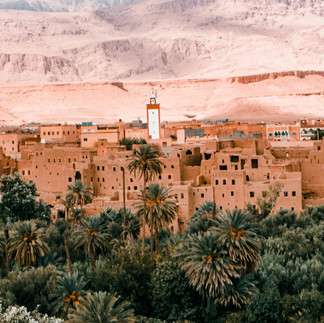


The south of Morocco and the Sahara offer a very different lifestyle. Life here is shaped by the desert, heat, and long distances. In towns like Merzouga, Zagora, and Ouarzazate, people are used to calm surroundings, wide open spaces, and a slower rhythm of life.
People in this region enjoy gathering in small groups, especially in the evening when the weather is cooler. Social life often happens around tea, music, or shared meals. In desert areas, hospitality is very important. Visitors are often welcomed with mint tea and simple food.
Clothing is adapted to the desert climate. You will often see men wearing the “gandoura” or long robes with turbans (cheich) that protect from the sun and sand. These clothes are light but cover the body well. Women wear long dresses, often colorful, with scarves to protect from heat and wind.
Food in the south is simple but filling. Common dishes include tagine, couscous, and bread baked in
sand ovens. Dates are a key food in the desert, often eaten daily. Meals are usually shared, and tea is served many times a day.
Music plays a big role in desert culture. The region is known for Gnawa music, which mixes African rhythms with spiritual elements. Drums, singing, and group performances are common, especially during festivals and gatherings. In some areas, you may also hear traditional desert songs and storytelling at night.
Cultural Events in the South & Sahara

Event | Where | Description | Time / Season |
International Festival of the Nomads | M’Hamid El Ghizlane | Celebrates nomadic culture with music, camel races, and storytelling | March |
Taragalte Festival | M’Hamid El Ghizlane | Music and cultural festival focused on desert traditions and world music | October–November |
Erfoud Date Festival | Erfoud | Celebrates the date harvest with markets, music, and local products | October |
Gnawa Evenings (Local Festivals) | Various towns (Merzouga, Zagora) | Small music gatherings focused on Gnawa performances | Year-round (more in cooler months) |
Sahara Marathon | Near Tindouf region / desert areas | Sports and cultural event bringing international participants | February |
Moussem of Moulay Ali Cherif | Rissani | Religious and cultural gathering with markets and traditions | Autumn |
The Atlantic Coast: Essaouira, Agadir, and Nearby Towns


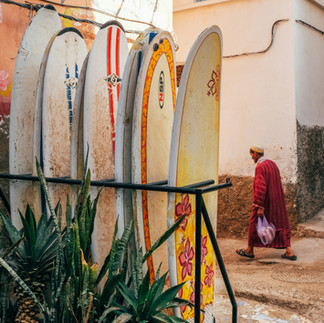


Life along Morocco’s Atlantic coast is relaxed and open. In cities like Essaouira and Agadir, people spend a lot of time near the ocean. Daily life often includes walking on the beach, sitting in cafés, or watching the sunset. The atmosphere is calmer than big inland cities, and the sea plays a big role in how people live.
Social Life on The Atlantic Coast
People here enjoy outdoor activities. Surfing is very popular, especially in areas like Taghazout near Agadir. Fishing is also an important part of life. In Essaouira, you can see fishermen bringing fresh fish every day to the port. Social life is simple—people meet in cafés, on the beach, or in small local restaurants.
What People Wear
Clothing is casual and practical. Because of the wind in Essaouira and the mild weather, people wear light jackets, hoodies, and comfortable clothes. Traditional clothing like the djellaba is still present, but modern styles are more common, especially in Agadir and coastal towns.
Food on the Atlantic coast
Food on the Atlantic coast is strongly based on the ocean. People eat a lot of grilled fish, sardines, shrimp, and seafood tagines. In Essaouira, it is common to choose fresh fish at the port and have it grilled on the spot. Meals are simple, fresh, and often eaten outdoors.
Art & Culture
Music and culture in this region are diverse. Essaouira is known for Gnawa music, which has deep African roots and spiritual meaning. The city also attracts artists, musicians, and travelers from around the world. Agadir has a more modern feel, with a mix of Moroccan and international culture.
Cultural Events on the Atlantic Coast

Event | Where | Description | Time / Season |
Gnawa World Music Festival | Essaouira | Famous international festival with Gnawa, jazz, and world music | June |
Timitar Festival | Agadir | Large music festival featuring Amazigh and international artists | July |
Surf Competitions | Taghazout & Agadir | Local and international surfing events | October–March (surf season) |
Festival des Alizés | Essaouira | Classical and chamber music festival | April |
Honey Festival (Imouzzer) | Near Agadir | Celebrates local honey and Amazigh traditions | August |
Local Fishing & Summer Events | Coastal towns | Small cultural and food events around fishing traditions | Summer |
Morocco by Region: Quick Comparison
Region | Known For | Best For |
North (Chefchaouen, Tangier, Tetouan) | Andalusian and Spanish influence, blue streets, seafood | Culture, history, easy travel |
Imperial Cities (Fes, Marrakech, Meknes, Rabat) | Medinas, souks, Islamic architecture | History, food, crafts |
Atlas Mountains | Berber villages, hiking, mountain scenery | Trekking, local stays, nature |
South and Sahara (Ouarzazate, Merzouga, Draa Valley) | Kasbahs, desert, Gnawa music | Landscape, desert experience, photography |
Atlantic Coast (Essaouira, Agadir, El Jadida) | Beaches, wind, Portuguese history | Relaxation, seafood, surf |
Practical Tips for Traveling Across Morocco's Regions
Learn a few basic words in Darija (Moroccan Arabic) or Tamazight. People appreciate it, and it helps in smaller towns.
Visit markets on weekdays if you can. They are less crowded and you have more time to talk to sellers.
Dress modestly in rural areas and religious sites. It is respectful and expected.
Stay in a local riad or guesthouse when possible. They cost less than hotels and give you a more local experience.
Try the local food in each region. Pastilla in Fes, slow-cooked lamb in Marrakech, fresh sardines on the coast, and harira soup in mountain towns.
Use shared taxis (grand taxis) or buses to travel between cities. They are cheap and used by locals.
Give yourself at least two to three days per region. Morocco takes time to understand, and rushing is not worth it.
Final Thoughts About Moroccan Culture
Moroccan culture by regions is something you see when you travel slowly and pay attention. Each area has its own food, language, architecture, and people. You do not need to visit everything. Pick the regions that match what you want to see.
If you are planning your trip and want to know more about a specific region, check our other guides on this site. We cover each area in more detail to help you prepare.