Common Scams in Morocco And How to Avoid Them

Morocco is an amazing destination. The food is incredible. The landscapes are stunning. The culture is rich and welcoming. But like any popular tourist destination, Morocco has scams. Knowing what to watch for makes your trip safer and more enjoyable. For the latest official guidance, see the UK government’s travel advice for Morocco.
This guide shows you the most common scams tourists face in Morocco and how to avoid them. You’ll learn practical tips that work. You’ll feel more confident exploring the country.
Why This Matters
Scams happen in Morocco. They happen to experienced travelers and first-timers alike. The good news is that most scams are easy to avoid once you know what to look for. You don’t need to be paranoid. You just need to be aware.
Many travelers come back from Morocco with amazing stories. Some come back frustrated because they got scammed. The difference is usually knowledge. This guide gives you that knowledge.
The Fake Tour Guide Scam
This is the most common scam in Morocco. Here’s how it works: You’re walking through a medina or near a tourist site. A friendly local approaches you. He says he’s a guide. He offers to show you around. He seems nice and knowledgeable.
In my experience, the fake guide scam is the one that catches smart, careful travelers off guard the most, because it doesn’t feel like a scam in the moment. It feels like a nice local being friendly, right up until you’re standing in a shop with a hard sell.
You agree. He takes you to shops. At each shop, he gets a commission when you buy something. The prices are inflated. You pay way more than you should. Sometimes the “guide” isn’t even a real guide. He just pretends to be one.
Local Tip: If a “guide” leads you into a shop and the owner offers you mint tea before showing any prices, that’s almost always the commission setup described above. Genuine shopping doesn’t need a ceremony first, it’s a sign to slow down and double-check prices elsewhere.
How to avoid it:
- Book guides through your hotel or a reputable tour company
- Ask for official guide credentials
- Agree on a price before you start
- If someone approaches you on the street, politely decline
- Real guides usually have ID cards from the government
The Overpriced Taxi Scam
Taxis in Morocco don’t always use meters. This creates opportunities for scams. A taxi driver picks you up. He doesn’t turn on the meter. At the end of the ride, he charges you an outrageous price. You have no way to argue because there’s no record of the agreed fare.
How to avoid it:
- Always ask the price before getting in the taxi
- Use official white taxis with meters
- Use ride-sharing apps like inDrive (available almost everywhere), or Uber and Careem, which now operate in Casablanca and Marrakech specifically
- Ask your hotel for the typical fare to your destination
- Avoid unmarked taxis
The Fake Police Officer Scam
This one is less common but still happens. A person in a uniform stops you. He claims you’ve broken a law. He demands to see your passport and wallet. He says you need to pay a fine right now.
Real police officers don’t work this way. They don’t demand cash on the spot.
How to avoid it:
- Ask to see official credentials
- Ask to go to a police station
- Call your embassy if you’re unsure
- Never hand over your passport to someone on the street
- Real fines go through official channels, not cash payments
The Fake Shop Scam
You see a beautiful carpet or piece of jewelry. The shopkeeper says it’s authentic. He gives you a certificate of authenticity. You buy it. Later, you find out it’s fake. The certificate is fake too.
How to avoid it:
- Buy from established shops with good reviews
- Get independent appraisals for expensive items
- Be skeptical of “special deals” for tourists
- Don’t buy from street vendors
- Ask locals where they shop
The Friendly Local Scam
Someone approaches you. He’s incredibly friendly. He invites you for tea. He wants to show you his family’s shop. He seems genuinely interested in being your friend. Then he takes you to shops where everything is overpriced. Or he asks for money for a “family emergency.”
How to avoid it:
- Be polite but cautious with strangers
- Don’t accept invitations from people you just met
- If you do go somewhere, agree on costs first
- Trust your instincts
- If something feels off, it probably is
The Currency Exchange Scam
You need to exchange money. A local offers you a great rate. You hand over your cash. He gives you less money than promised. Or he gives you counterfeit bills.
How to avoid it:
- Exchange money at banks or official exchange offices
- Avoid street money changers
- Check bills carefully before accepting them
- Use ATMs when possible
- Know the current exchange rate
Practical Tips to Stay Safe
Keep your valuables secure. Use a money belt or hidden pouch. Don’t flash expensive cameras or jewelry.
Stay aware of your surroundings. Don’t get so focused on sightseeing that you lose track of what’s happening around you.
Travel with a friend when possible. Scammers target solo travelers more often.
Learn a few words of Arabic or French. It shows respect and makes you less of an easy target.
Trust your gut. If something feels wrong, it probably is.
What to Do If You Get Scammed
- Stay calm. Getting angry won’t help. Most scams involve small amounts of money.
- Report it to your hotel or tour company. They can help you understand what happened.
- Contact your embassy if it’s serious. They have resources to help.
- Document everything. Take photos and write down details.
- Don’t be embarrassed. Scams happen to everyone. Even experienced travelers get scammed sometimes.
The Reality of Travel in Morocco
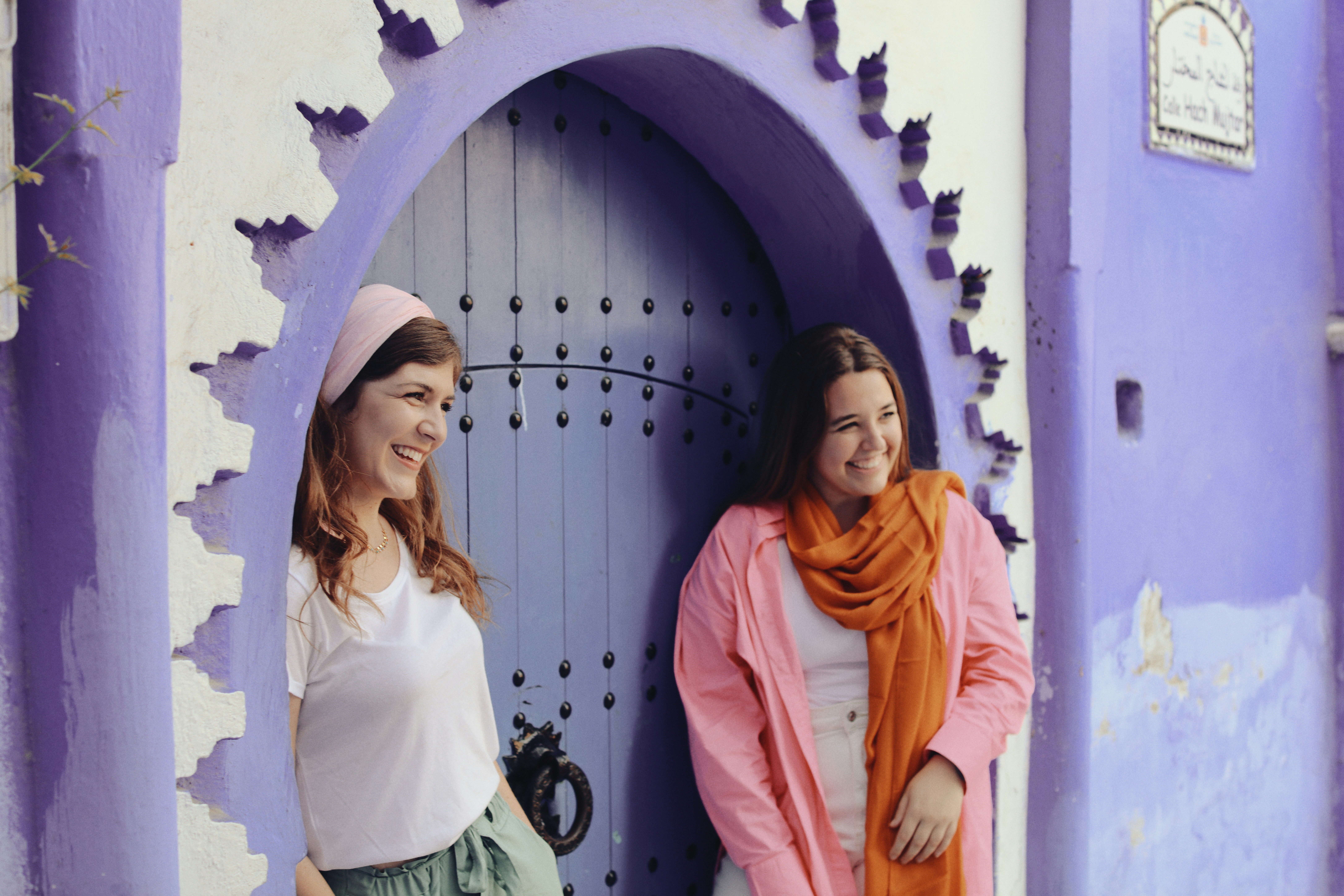
Here’s the truth: Morocco is still a wonderful destination. Millions of tourists visit every year without problems. The scams are real, but they’re not everywhere. Most Moroccan people are honest and hardworking. They depend on tourism. They want you to have a good experience.
Being aware of scams doesn’t mean you should be afraid. It means you can travel smarter. You can enjoy Morocco without stress.
FAQ: Questions People Ask About Morocco Scams
Q: Is Morocco safe for tourists?
A: Yes, Morocco is generally safe for tourists. Scams happen, but violent crime against tourists is rare. Most problems are minor scams involving money. Use common sense and you’ll be fine. Millions of tourists visit Morocco every year and have great experiences.
Q: Should I avoid Morocco because of scams?
A: No. Every destination has scams. Morocco is no different. The scams are usually small and easy to avoid if you know what to look for. Don’t let fear stop you from visiting. Just be aware and prepared.
Q: Are tour guides in Morocco trustworthy?
A: Many are. But book through reputable companies or your hotel. Street guides may not be legitimate. Official guides have credentials and are regulated. They’re worth the extra cost because they’re reliable and knowledgeable.
Q: What’s the best way to carry money in Morocco?
A: Use a combination of methods. Carry some cash in a money belt. Use ATMs to withdraw money as needed. Use credit cards at established shops. Don’t carry all your money in one place. This way, if you lose something, you still have backup funds.
Q: How much should I tip in Morocco?
A: Tipping is expected in Morocco. Tip 10-15% at restaurants. Give small change to guides and drivers. Tip hotel staff a few dirhams. Agree on prices with guides before you start. This prevents confusion and scams later.
Q: What should I do if someone approaches me on the street?
A: Be polite but firm. Say no thank you and keep walking. Don’t engage in long conversations. Don’t accept invitations. Don’t let them take you anywhere. Most people will respect a polite but clear refusal.
Q: Are the souks in Morocco safe?
A: Yes, souks are generally safe. They’re busy and full of tourists. Just watch your belongings. Don’t carry too much cash. Don’t accept help from strangers. Haggling is normal in souks, so expect to negotiate prices.
Q: How do I know if a guide is real?
A: Real guides have official ID cards from the Moroccan government. They can show you credentials. They’re registered with tour companies. Ask your hotel to recommend guides. Avoid guides who approach you on the street.
Related Guides
- Solo Female Travel in Morocco? Read This First
- Traveling to Morocco as an American: Is it Safe?
- Is Morocco Safe to Visit After the Gen Z Protests?
- Essential Travel Safety Tips for Morocco